
What Does "Illegally Detained" Actually Mean?
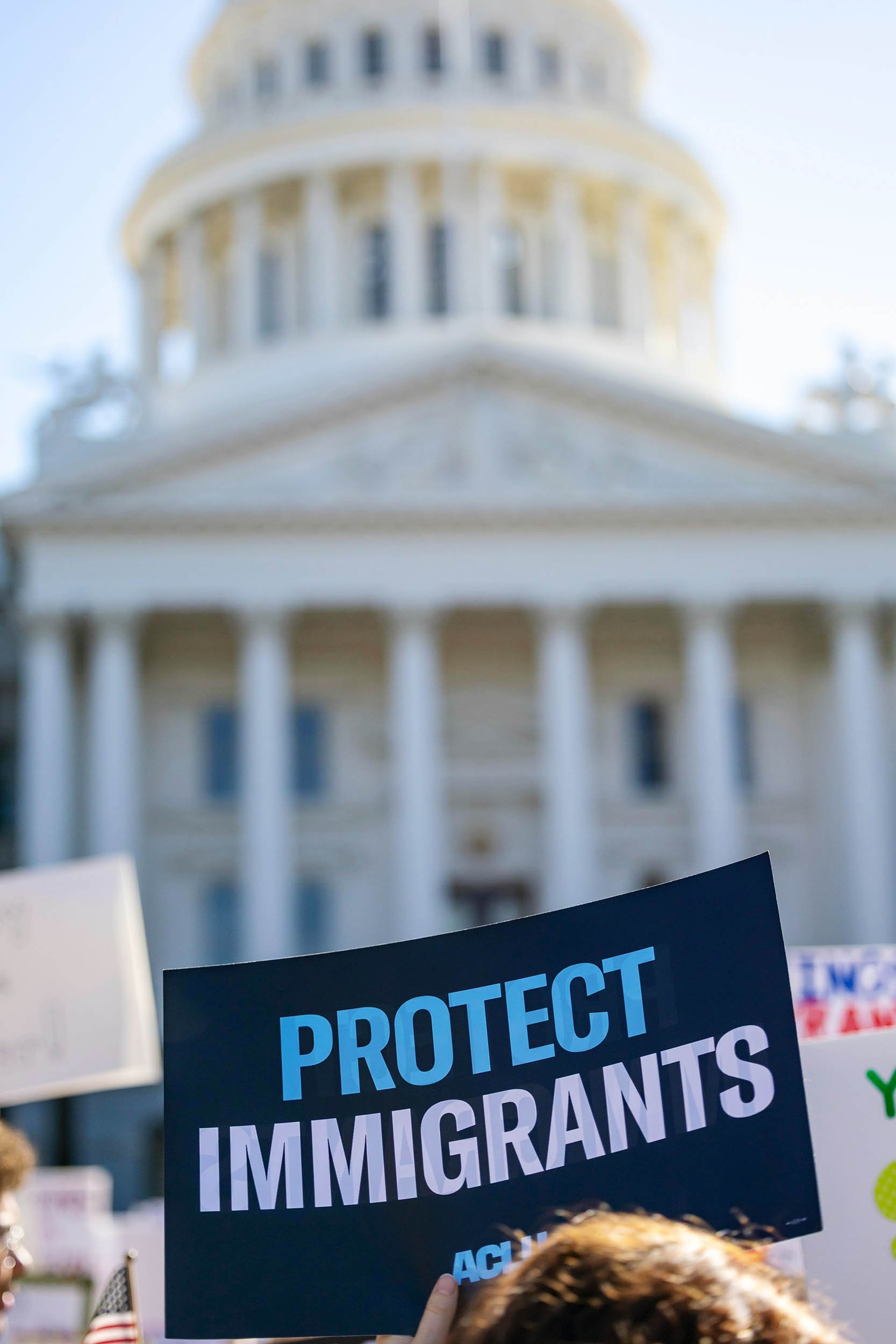
When SOS says we represent "illegally detained" immigrants, we are sometimes met with a puzzled look. Isn't immigration detention legal? Doesn't the government have the authority to hold people who are in the country illegally?
These are fair questions. And the answers reveal something important: the government's power to detain immigrants is real, but it is not unlimited. There are rules. There are thresholds. There are constitutional lines that cannot legally be crossed — and when they are crossed, that is what we mean when we say someone has been illegally detained.
Understanding the difference between lawful and unlawful detention isn't just a legal technicality. It's the difference between a person spending months — or years — locked away in ICE custody, and a person going home to their family.
However, at the outset, it is critical to understand that regardless of whether detention is lawful or unlawful, ICE detention is an inhumane system that prioritizes profit over human care. Individuals in ICE custody suffer daily from medical neglect, racial discrimination, inhumane treatment, and scSOS fights to end all ICE detention and abolish ICE altogether. While we work towards these goals of liberty and justice, it is critical for those impacted to know their rights and pursue all available remedies for release.
First: Immigration Detention Is Not a Criminal Matter
This is the single most misunderstood fact about immigration enforcement in the United States.
Being in the United States without authorization is, in most circumstances, a civil violation — not a criminal one. Crossing the border without inspection is more legally similar to a parking ticket than to a crime. The people held in immigration detention facilities have not been convicted of anything. Many have never even been formally charged with a crime. They are being held under the civil immigration enforcement system, which is administered by the executive branch through agencies like ICE (Immigration and Customs Enforcement) and CBP (Customs and Border Protection).
In Zadvydas v. Davis (2001), the U.S. Supreme Court ruled that the government cannot detain a person indefinitely simply because it cannot remove them.
This distinction matters enormously, because civil detention carries different legal standards and different constitutional protections than criminal incarceration. The government's authority to hold someone civilly is narrower — and more easily exceeded.
So When Does Detention Become Illegal?
The law does not give ICE or any other agency a blank check to hold people indefinitely. Detention crosses into illegal territory in several well-established ways:
1. Detention Without Adequate Legal Basis
For immigration detention to be lawful, the government must have a legitimate legal basis for holding the person — typically, an active immigration case or removal proceeding. If that basis evaporates (for example, if the underlying charges are dropped or legally invalid), continued detention has no foundation. Holding someone under these circumstances is unlawful.
2. Prolonged Detention Without a Bond Hearing
The Supreme Court and multiple federal circuit courts have recognized that extended detention without a bond hearing raises serious constitutional questions. While there is no single bright-line rule, courts have generally held that detaining someone for six months or more without allowing them an individualized hearing — where a judge weighs whether they actually need to be held — can violate the Due Process Clause of the Fifth Amendment.
In plain terms: you cannot lock someone up for months or years simply because a bureaucratic system is slow. At some point, a judge must look at that person's individual circumstances and decide whether detention is actually justified.
3. Detention That Cannot Lead to Removal
The legal purpose of civil immigration detention is to ensure that someone shows up for their immigration proceedings and, ultimately, can be removed if ordered. But what happens when removal is impossible — because the person has relief under the Convention Against Torture, no country will accept the person, or because removal would violate international law?
In Zadvydas v. Davis (2001), the U.S. Supreme Court ruled once a person has a final order of removal, the government cannot detain a person indefinitely simply because it cannot remove them. Once removal is no longer reasonably foreseeable, continued detention loses its legal justification. Holding someone in this situation — sometimes called "indefinite detention" — is unlawful. The Supreme Court held in Zadyvdas that detention after six months with an order of removal may be grounds for habeas relief.
4. Detention Based on Unconstitutional Grounds
The Constitution applies to everyone on U.S. soil — citizen and non-citizen alike. Detaining someone because of their religion, their race, their political views, or their exercise of free speech rights violates the First and Fifth Amendments regardless of their immigration status. Officers must be probable cause to stop and arrest someone. If the constitutional protections against unlawful search and seizure are violated, such as stopping someone based on their color of their skin, those actions are unlawful. There is currently a massive increase in ICE detention and arrest, and a large number of arrests made without probable cause because of an individual's appearance or accent. That is not a lawful arrest. It is discrimination — and it is challengeable in court.
5. Detention That Violates Statutory Requirements
Congress has passed specific laws governing how, when, and for how long various categories of immigrants can be detained. ICE must follow these laws. When it detains someone in a category that the statute does not authorize, or for longer than the statute permits, that detention is illegal — not merely unfair, but in direct violation of the law.
The Gray Zone: When It's Complicated
Not every case of illegal detention is obvious. Many fall into genuinely contested legal territory — and that ambiguity is itself part of the problem.
For instance: the law gives ICE broad "mandatory detention" authority over people with certain criminal records, requiring them to be held without bond regardless of the individual's circumstances. Courts are actively divided on how far this authority extends and whether it can apply retroactively to offenses that occurred long before the law was passed.
There are also cases involving procedural violations that are serious but don't fit neatly into established categories — a hearing held without adequate interpretation, an attorney denied access to their client, a bond amount set so high it functions as a de facto detention order for someone without resources.
This is precisely why skilled legal representation matters. The difference between a successful challenge and a failed one often lies in understanding which argument to make, in which court, at which moment — and having the experience to execute it.
Why the Threshold Matters
Every time a court finds that a detention was unlawful, it sends a message: the government's power is not absolute. There are rules. There are limits. And there are people watching — and fighting.
These rulings also create precedent — legal decisions that shape how future cases are handled, what rights are protected, and how far enforcement agencies are allowed to go. A single successful habeas petition filed on behalf of one detained person in a federal district court can affect how thousands of similar cases are processed.
That is why this work matters even to people who will never personally face immigration detention. The legal principles being fought over in these cases — due process, equal protection, limits on executive power — are the same principles that protect everyone.
What to Do If You Think Someone Is Being Illegally Detained
If someone you care about has been detained and you believe their detention may be unlawful, the most important thing you can do is act quickly. Here's where to start:
Contact an immigration attorney immediately. Many aspects of immigration law are time-sensitive, and early intervention dramatically expands the available options. We can help. Get in touch.
Find out where they're being held. Use the ICE detainee locator at ice.gov/detainee-locator to find the facility.
Document everything and save all documents. Maintain records of all immigration and court documents, along with copies of all ID’s and passports. Document dates, times, what was said during any encounters with enforcement agents, whether Miranda-style warnings were given — all of it can matter.
Reach out to our firm. We offer consultations to help families understand what legal options may be available.
The legal system is complicated. Enforcement agencies are powerful. But the Constitution is still the law of the land. There are limits to government action — and when those limits are crossed, the courts are there to hold the line. That is the work we show up to do every day.
Do you need legal assistance?
Photo by Stephen Leonardi on Pexels
